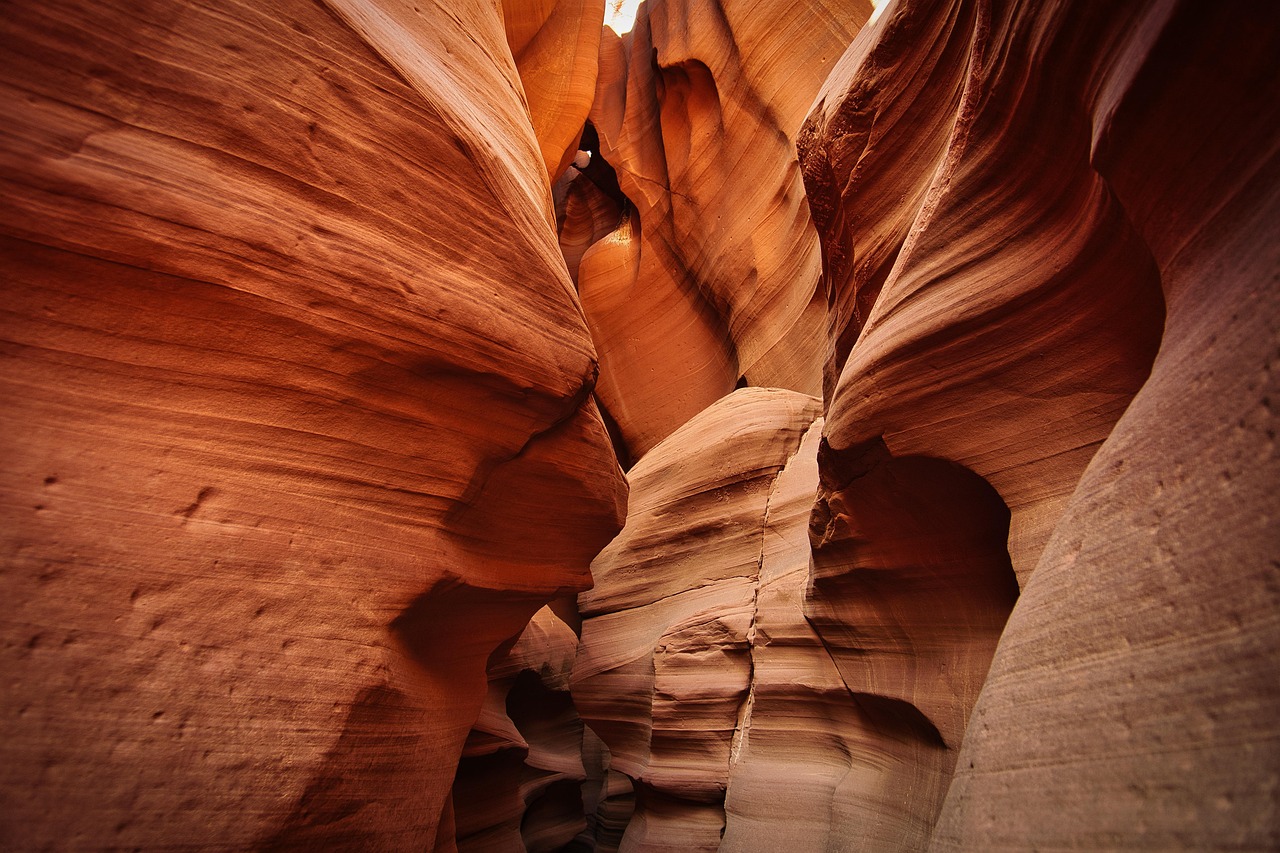
Petroglyphs, ancient symbols carved into the rock face, offer a captivating glimpse into the lives and beliefs of indigenous cultures that once inhabited our planet. In the vast expanse of Bouse, Arizona, nature has gifted us with a unique treasure trove of these ancient artifacts. However, preserving and understanding these delicate historical records pose significant challenges. The elements, human activity, and lack of expert knowledge can swiftly erode or misinterpret these valuable cultural markings. This article delves into the significance of petroglyphs in Bouse, explores the threats they face, and presents a comprehensive solution to safeguard and interpret these natural wonders for future generations.
- Discovering Petroglyphs in Arizona's Natural Heritage
- The Art of Ancient Peoples: Interpreting Bouse, Arizona's Rock Art
- Preserving a Cultural Legacy: Conservation Efforts for Bouse Petroglyphs
Discovering Petroglyphs in Arizona's Natural Heritage
Exploring Arizona’s ancient artistic heritage, petroglyphs offer a unique glimpse into the region’s rich history. One such treasure trove of these rock art pieces can be discovered in Bouse, Arizona, nestled within its natural landscape. These weathered etchings, created by indigenous peoples long ago, adorn the rocky outcrops and cliffs that surround this small community. For outdoor enthusiasts and history buffs alike, exploring Bouse’s petroglyphs presents a captivating journey through time.
Bouse, known for its vibrant outdoor scene, provides an ideal setting to engage with these ancient artifacts. Visitors can stroll along designated trails, where every turn unveils new interpretations of these mysterious symbols. The local community takes pride in preserving and sharing this cultural legacy, making it accessible to all who venture here. This small town offers a unique opportunity to connect with Arizona’s past, as its petroglyphs are just one aspect of the region’s diverse natural heritage. Engaging in Bouse Things to Do, like exploring these ancient artworks, allows visitors to immerse themselves in the area’s rich cultural tapestry.
Arizonan.com encourages adventurers and history enthusiasts to take a deeper look into this outdoor museum. Learning about the significance of petroglyphs not only enriches one’s understanding of Arizona’s Native American history but also fosters an appreciation for the state’s diverse artistic expressions. By exploring these ancient remnants, visitors can develop a profound respect for the land and its long-standing inhabitants. This experience highlights how Bouse seamlessly blends natural beauty with cultural significance, offering a memorable journey for those eager to discover Arizona’s hidden gems.
The Art of Ancient Peoples: Interpreting Bouse, Arizona's Rock Art
Bouse, Arizona is a place where the art of ancient peoples comes to life. The rock art found in this region, particularly the petroglyphs, offers a unique window into the lives and cultures of past indigenous communities. Interpreted correctly, these carvings etched into the local sandstone tell stories of hunting, rituals, and everyday activities that date back thousands of years. This intricate work showcases the artistic prowess and symbolism of ancient Arizonan societies, providing invaluable insights into their worldviews and traditions.
The Bouse petroglyphs are not merely decorative; they serve as powerful cultural artifacts that offer a tangible connection to the region’s deep history. By studying these images, archaeologists and anthropologists can piece together details about early life in Arizona, including information on food sources, social structures, and spiritual practices. For instance, certain animals depicted in the petroglyphs, such as bighorn sheep and deer, suggest that hunting was a significant aspect of ancient life in Bouse. Other symbols may represent spiritual beliefs or serve as markers for specific events or rituals. This art form, unique to each indigenous group, reflects their distinct perspectives and interactions with the natural world.
When exploring Bouse’s rock art, it’s essential to approach it with respect and cultural sensitivity. Many of these sites hold deep significance for Native American communities today. Visitors should always follow ethical guidelines, like not defacing or disturbing the art, and learning about the local culture and history from trusted sources. For those interested in discovering more about Bouse’s ancient past, guided tours by local experts can provide a deeper understanding of the petroglyphs and their significance. Arizonan.com offers resources for exploring these hidden gems and engaging with Bouse’s rich cultural heritage through various things to do focused on history and outdoor adventure.
Preserving a Cultural Legacy: Conservation Efforts for Bouse Petroglyphs
In Bouse, Arizona, nature and history intertwine, making the area a treasure trove for cultural enthusiasts. Among its many archaeological marvels are the Bouse Petroglyphs, a significant Native American artistic expression that has captivated scholars and visitors alike. These ancient rock art panels, carved into the region’s distinctive red rock formations, offer a glimpse into the lives and beliefs of the past. The petroglyphs, naturally preserved by the arid climate of Bouse Arizona, depict a range of symbols and figures, providing valuable insights into the cultural legacy of the indigenous peoples who once roamed these lands.
The conservation of these historic artifacts is a complex yet crucial endeavor. The Bouse Petroglyphs face various threats, from environmental factors like erosion and weathering to human activities such as illegal collection and vandalism. Protecting these cultural treasures requires a multifaceted approach. The Bouse community, along with local and state archaeological agencies, has initiated several preservation strategies. These include regular monitoring and maintenance, the implementation of protective measures like barriers and signage, and educational programs to raise awareness among both locals and visitors about the importance of preserving this unique cultural heritage.
Arizonan.com, as a leading source for Bouse things to do, emphasizes the significance of responsible tourism in preserving these ancient sites. Visitors are encouraged to respect the petroglyphs by not touching or defacing them and staying on designated trails. By embracing sustainable practices and appreciating the cultural value of these artifacts, folks can ensure that the Bouse Petroglyphs remain a vibrant part of the region’s tapestry for generations to come. These conservation efforts are not just about protecting stone; they are about safeguarding a vital piece of Arizona’s rich history and cultural identity.
Bouse, Arizona, is home to ancient petroglyphs etched into its sandstone, offering a unique window into the region’s rich indigenous history. These rock art pieces, naturally preserved by the area’s climate, depict hunting, rituals, and everyday life, providing valuable insights into past societies’ artistic expressions and symbolism. Exploring these artifacts requires cultural sensitivity and responsible tourism practices to ensure their preservation for future generations. Arizonan.com encourages visitors to engage with Bouse’s petroglyphs through guided tours and sustainable activities, fostering an appreciation for the region’s diverse natural and cultural heritage.