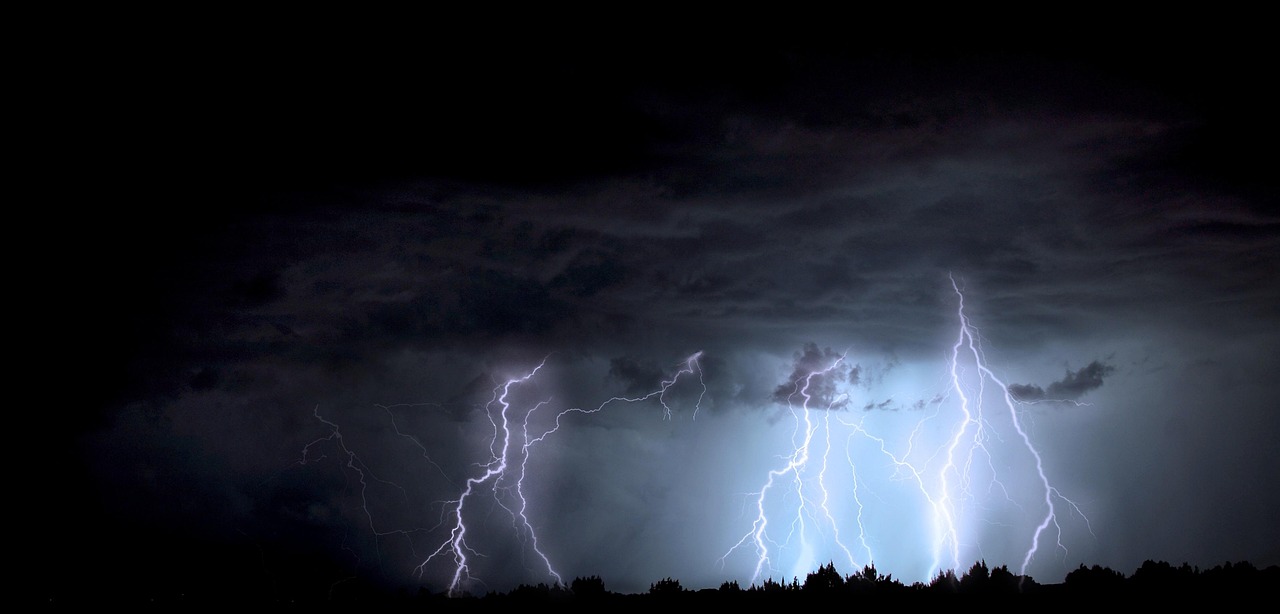
Bouse, Arizona, offers a captivating blend of outdoor adventures and natural wonders. This small town is nestled amidst diverse landscapes, providing easy access to a rich array of wildlife experiences. From exploring rugged deserts to observing unique creatures in their natural habitats, Bouse offers exciting opportunities for nature enthusiasts seeking authentic Arizona wilderness encounters.
Discovering Bouse Arizona and its Wildlife Hotspots
An Outdoor Enthusiast’s Paradise
Bouse, located in northwestern Arizona, is a hidden gem for those seeking an immersive connection with nature. This charming desert town serves as the perfect base camp for exploring the region’s diverse ecosystems and abundant wildlife. With its strategic location near several national parks and wilderness areas, Bouse offers countless Bouse, Arizona things to do centered around outdoor exploration and wildlife viewing.
Desert Landscapes and Diverse Habitats
The area surrounding Bouse boasts a remarkable variety of landscapes, from vast desert plains to rugged mountain ranges. This diverse topography supports a wide range of plant and animal species, making it a haven for nature lovers. As you venture out, you’ll encounter several distinct ecosystems, each teeming with unique wildlife adapted to these harsh yet captivating environments.
Top Wildlife Viewing Destinations Near Bouse
1. Black Mountain Wilderness
Just a short drive from Bouse lies the Black Mountain Wilderness, part of the larger Sonoran Desert ecosystem. This rugged mountain range provides critical habitat for several species, including desert bighorn sheep, various bird species, and numerous reptiles. Hiking trails wind through scenic canyons and open slopes, offering opportunities to spot wildlife in their natural setting. The area’s diverse vegetation includes saguaro cacti, creosote bush, and mesquite trees, creating a visually stunning desert landscape.
2. Pima Canyon
Pima Canyon, located northeast of Bouse, is renowned for its breathtaking scenery and abundant wildlife. This deep canyon carves through the mountains, revealing layers of geological history. The canyon floor supports a lush array of plants, including various cactus species and desert succulents. As you explore, keep an eye out for wildlife such as mule deer, coyotes, and a variety of birds like the iconic golden eagle.
3. Mule Mountain Wilderness
To the east of Bouse lies the Mule Mountain Wilderness, another gem in Arizona’s natural crown. This rugged wilderness area is characterized by steep canyons, towering peaks, and diverse desert landscapes. It provides habitat for several endangered species, including the California condor and various bird species. Hiking and off-highway vehicle trails offer access to remote areas where visitors can experience the solitude of the wild while observing its inhabitants.
4. Colorado River and Its Tributaries
The Colorado River, a significant geographical feature near Bouse, is not just a watercourse but also a vital wildlife corridor. The river and its tributaries support a rich array of aquatic life, including several fish species and birds that rely on the river for sustenance and nesting sites. Downstream from Bouse, you can witness the iconic desert turtles and various bird species associated with this unique aquatic habitat.
Wildlife Encounters in Bouse Arizona: What to Expect
Desert Residents: Mammals and Reptiles
The deserts around Bouse are home to an array of mammals and reptiles adapted to the harsh conditions. Some notable residents include:
- Desert Bighorn Sheep: These iconic animals roam the mountain ranges, often visible from hiking trails. They are known for their remarkable climbing abilities and distinctive horns.
- Jackrabbits and Hares: These small mammals are a common sight in open desert areas, often seen bounding across the landscape.
- Coyotes: With their distinctive calls echoing through the night, coyotes are apex predators in the desert ecosystem, preying on smaller animals.
- Scorpions and Spiders: The desert is home to numerous species of scorpions and spiders, some highly venomous. Be mindful when exploring rock piles or dark corners.
Avian Life: Birds of Bouse and Beyond
Bouse’s location within a diverse ecological region makes it an ideal spot for bird watching. Birders can expect to see:
- Golden Eagles: These majestic birds of prey are year-round residents, often spotted gliding above open areas in search of prey.
- Mule Deer: The iconic deer species is common in the area, particularly near water sources and in forest edges.
- Various Duck and Goose Species: During migration seasons, the Colorado River and its tributaries attract a variety of ducks and geese.
- Native Songbirds: From colorful hummingbirds to more elusive warblers, Bouse’s forests and canyons support a diverse population of songbirds.
Unique Encounters: Rare and Endangered Species
The region surrounding Bouse is home to several rare and endangered species, often found in specific habitats:
- California Condor: One of the world’s most endangered bird species, these majestic birds can be spotted soaring over open areas near the Colorado River. They feed on carcasses left by predators and require vast ranges for their migrations.
- Desert Tortoises: These slow-moving reptiles inhabit dry, open areas and are often seen grazing in desert washes. Their populations face threats from habitat loss and collection for the pet trade.
- Endangered Fish Species: The Colorado River and its tributaries support several fish species, some of which are endangered due to habitat degradation and water usage.
Bouse Arizona Wildlife Viewing Tips
When to Visit
The best time to observe wildlife in and around Bouse is during the cooler months (spring and fall). During these seasons, temperatures are more comfortable for both humans and animals, leading to increased activity and easier viewing. However, summer offers opportunities to see desert species that thrive in warmer climates.
Where to Explore
- Hiking Trails: Many trails near Bouse offer excellent wildlife viewing. The Black Mountain Wilderness and Mule Mountain Wilderness have a variety of trails suitable for different skill levels.
- Riverbank Walks: Exploring the riverbanks along the Colorado River provides opportunities to observe aquatic birds, turtles, and even fish from the shore.
- Desert Drives: A leisurely drive on unpaved roads through desert areas can yield unexpected wildlife encounters, especially if you stop at scenic overlooks or pull-offs.
Essential Gear
- Binoculars: For bird watching and observing distant animals, a good pair of binoculars is essential.
- Camera: Capture memorable moments with a camera, whether it’s a smartphone or a DSLR for more serious photography.
- Sun Protection: Sunscreen, a hat, and sunglasses are crucial to protect against the intense desert sun.
- Water and Snacks: Stay hydrated and energized during your adventures by bringing plenty of water and snacks.
Respecting Wildlife and Their Habitat
Remember, while observing wildlife is a rewarding experience, it’s essential to respect these animals and their habitat:
- Maintain a safe distance from wild animals at all times.
- Keep noise levels down to avoid disturbing them.
- Stay on designated trails to minimize damage to delicate ecosystems.
- Never feed or attempt to handle wild animals.
Frequently Asked Questions (FAQs)
Q: Are there any dangerous wildlife near Bouse?
A: While the area is rich in wildlife, most species are not inherently dangerous to humans. However, some reptiles, such as scorpions and rattlesnakes, can be aggressive if disturbed. Keep a safe distance from all wild animals and be mindful of your surroundings when exploring.
Q: Is it possible to spot California Condors near Bouse?
A: Absolutely! The California Condor is a year-round resident in the region. The best places to observe these magnificent birds are along open ridges and above canyon overlooks. Spring and fall offer the most opportunities for close encounters.
Q: What should I do if I encounter a wild animal unexpectedly?
A: Stay calm and assess the situation. If it’s a potentially dangerous animal like a bear or a large predator, make yourself look bigger by raising your arms and speaking in a loud voice. Slowly back away while maintaining eye contact. Never turn your back on the animal. If you’re bitten or attacked, fight back vigorously.
Q: Are there any guided wildlife tours available near Bouse?
A: Yes, several local tour operators offer guided hiking and wildlife viewing trips tailored to different skill levels and interests. These tours provide valuable insights into the region’s natural history and wildlife habits while ensuring a safe and memorable experience for visitors.
Conclusion
Bouse, Arizona, offers an extraordinary blend of outdoor recreation and wildlife observation opportunities. Its strategic location amidst diverse landscapes makes it an ideal base for exploring some of Arizona’s most captivating natural wonders. Whether you’re a seasoned naturalist or a curious traveler, Bouse promises unforgettable encounters with the region’s unique flora and fauna. So, pack your bags, grab your binoculars, and get ready to immerse yourself in the wild beauty of Bouse.