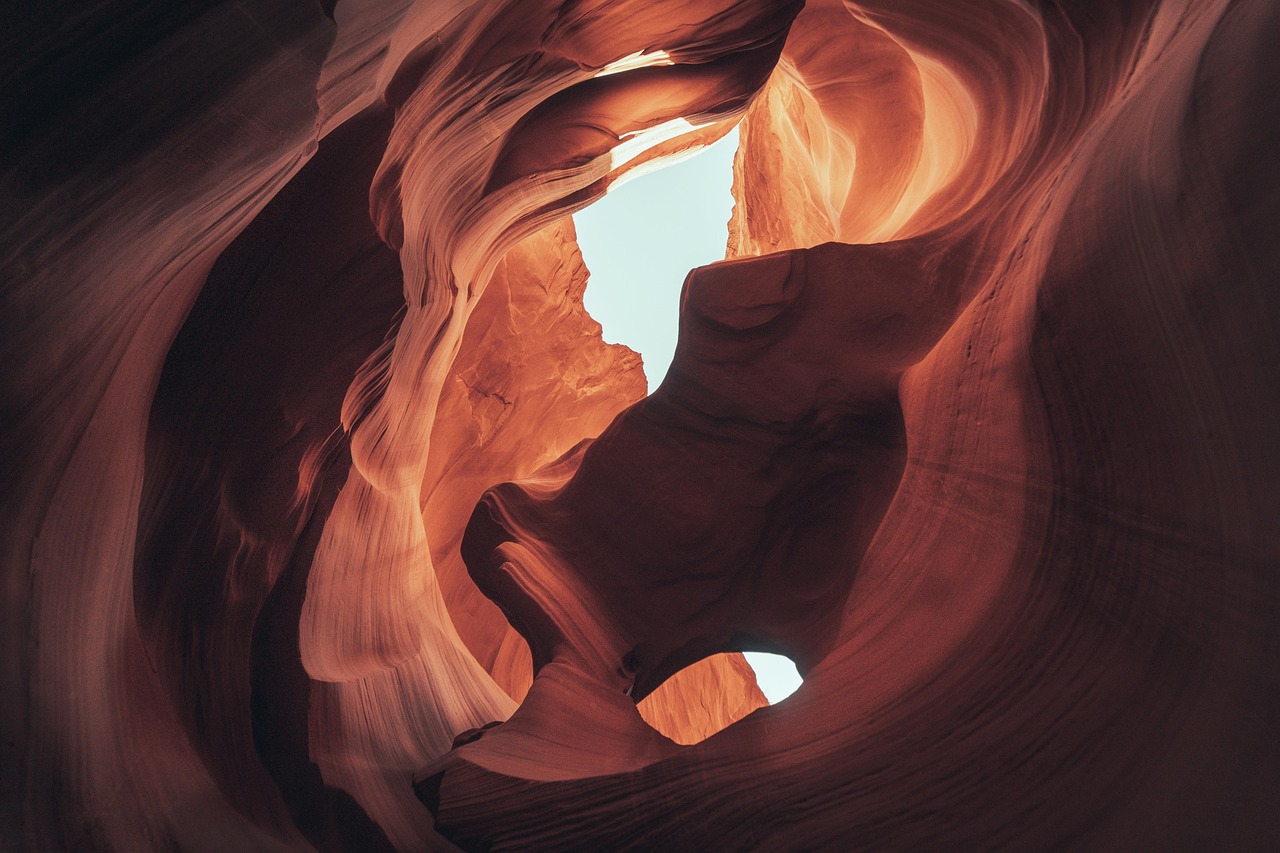
Bouse, Arizona, offers more than just stunning landscapes; it’s a vibrant hub of wildlife diversity. This small town is surrounded by vast deserts and forests, providing habitats for an array of animals. From elusive desert big cats to colorful birds, Bouse offers nature enthusiasts a unique opportunity to explore and connect with the region’s rich biodiversity.
An Introduction to Bouse Arizona and Its Natural Wonders
Bouse, nestled in northwestern Arizona, is a charming desert community that captivates visitors with its raw, untouched beauty. Located just north of Lake Havasu City, this small town serves as a gateway to some of Arizona’s most diverse ecosystems. What makes Bouse truly special is its unique position at the intersection of deserts, mountains, and rivers, creating a thriving habitat for an unexpected array of wildlife.
Exploring Bouse Things to Do: Wildlife as a Priority
For those passionate about wildlife viewing and conservation, Bouse offers an unparalleled experience. The town’s strategic geographical location provides easy access to several nature reserves and protected areas, ensuring a rich variety of fauna and flora. Here’s what makes Bouse a top destination for wildlife enthusiasts:
1. Desert Big Cats and Nocturnal Creatures
Bouse Arizona is part of the larger Sonoran Desert ecosystem, renowned for its diverse wildlife. One of the most sought-after sights is the elusive Greater Gila Monster (Helodermis susannae), a large lizard species that roams the desert floors. These creatures are particularly active during the warmer months, making them a common sight for those who venture into the nearby mountains and canyons.
The area also boasts a healthy population of bobcats (Lynx rufus) and various fox species, such as the kit fox (Vulpes velox). Nighttime adventures in Bouse might reveal these elusive cats padding through the desert, hunting for small mammals. Birdwatchers will delight in spotting nocturnal birds like the common nighthawk and several owl species that inhabit the region.
2. Colorful Desert Birds
The skies above Bouse are a birdwatcher’s dream, with over 300 species of birds recorded in the area. The desert environment supports a unique mix of resident and migratory birds, making it an ideal spot for enthusiasts to check off items on their life lists.
During the spring and fall, waves of migrators pass through, including warblers, tanagers, and thrushes. Year-round residents such as the Gambel’s quail, desert tortoises, and various sparrow species add to the vibrant avian scene. The nearby lakes and rivers also attract waterfowl like ducks and geese, providing excellent opportunities for bird photography.
3. River Life and Aquatic Creatures
The Colorado River, a vital lifeline for Bouse, is home to a diverse range of aquatic life. Fish species such as the desert pupfish (Cyprinodon macularius) have adapted to the changing waters, making them a fascinating subject for study. These resilient fish are a testament to the region’s ecological resilience.
River-dwelling reptiles like the Western diamondback rattlesnake and various turtle species can be found along the shorelines. Birdwatchers will also appreciate the abundance of water birds, including herons, egrets, and ducks, that frequent these waterways.
4. Mountain Ecosystems and Forest Life
Bouse’s proximity to the rugged mountains offers a stark contrast to the arid desert below. The Black Mountain Wilderness Area, just east of town, provides habitat for a variety of forest-dwelling animals. Here, you might encounter black bears, mule deer, and several species of squirrels.
The forests, characterized by pinyon pine and juniper trees, support a unique insect population, including the iconic western butterfly and various rare bee species. Birders can enjoy spotting woodpeckers, nuthatches, and other forest birds nesting in these towering conifers.
5. Stargazing and Nocturnal Mammals
The dark skies above Bouse offer stargazers a chance to witness the night sky’s beauty. Far from light pollution, this town is ideal for observing celestial objects. During clear nights, you can spot constellations, shooting stars, and even the northern lights (in winter).
This darkness also attracts a variety of nocturnal mammals, such as bats and various mouse species. The bat population in particular thrives here, with several species contributing to insect control in the area.
Frequently Asked Questions (FAQs)
-
What is the best time of year to observe wildlife in Bouse?
- Spring (March to May) and fall (September to November) are considered prime seasons for wildlife viewing due to milder temperatures and abundant food sources. However, year-round opportunities exist, especially with birds, as different species migrate through at various times.
-
Are there any guided wildlife tours available in Bouse?
- Absolutely! Several local tour operators offer guided hikes and drives tailored to wildlife enthusiasts. These tours provide valuable insights into the region’s ecology and increase your chances of spotting elusive creatures.
-
What safety precautions should I take when exploring for wildlife?
- Always follow local guidelines and stay on designated trails to minimize disturbance to wildlife and their habitats. Carry water, wear appropriate footwear, and use binoculars or a camera with good zoom capabilities for safe wildlife viewing.
-
Can I get close to desert big cats like the Gila Monster?
- While these animals are fascinating, it’s crucial to maintain a safe distance. They are protected under state laws, and approaching them can cause stress or even provoke an attack. Observe them from a distance using binoculars or a telephoto lens.
-
Are there any wildlife rehabilitation centers in Bouse?
- Yes, the Bouse Wildlife Rehabilitation Center is dedicated to caring for injured or orphaned native animals. They provide valuable services but primarily work behind the scenes to ensure the health and eventual release of wild creatures back into their habitats.
Conclusion: A Wildlife Enthusiast’s Paradise
Bouse Arizona offers a unique blend of desert, mountain, and river ecosystems, making it one of the most diverse wildlife hotspots in the region. Its pristine natural landscapes and protected areas provide safe havens for an astonishing array of plant and animal life. Whether exploring on your own or joining guided tours, Bouse promises unforgettable encounters with nature’s wonders.
For those passionate about wildlife, this small town in northwestern Arizona is a hidden gem, offering endless opportunities to connect with the region’s rich biodiversity.